

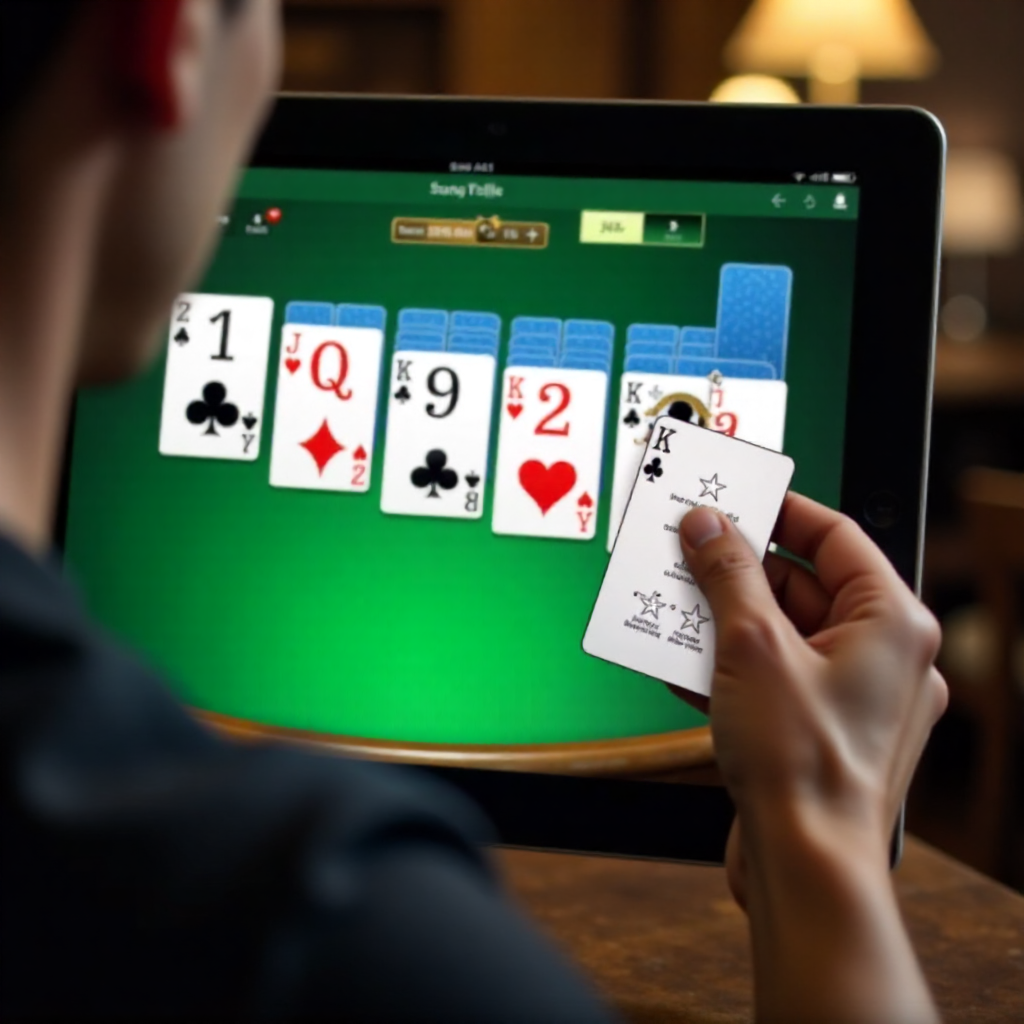
History of Solitaire: From 18th-Century Pastime to Digital Phenomenon
Origins of Solitaire in 18th-Century Europe
Solitaire, also known as Patience, originated in 18th-century Europe as a card game designed for solo play. Initially popular among aristocrats and intellectuals, the game was a form of solitary entertainment during an era when playing cards were widely enjoyed across social classes.
The earliest written references to Solitaire date back to the late 1700s, primarily in France and Germany, where card decks and leisure activities flourished in both courts and salons. This period's cultural context reflects the game's dual nature: a contemplative pastime and a way to sharpen strategic thinking.
Solitaire's foundation lies in manipulating playing cards through sorting and sequencing mechanics, which provided mental engagement without the need for partners or competition. This solitary format contributed to its enduring appeal through centuries.
The Evolution of Solitaire Card Variants
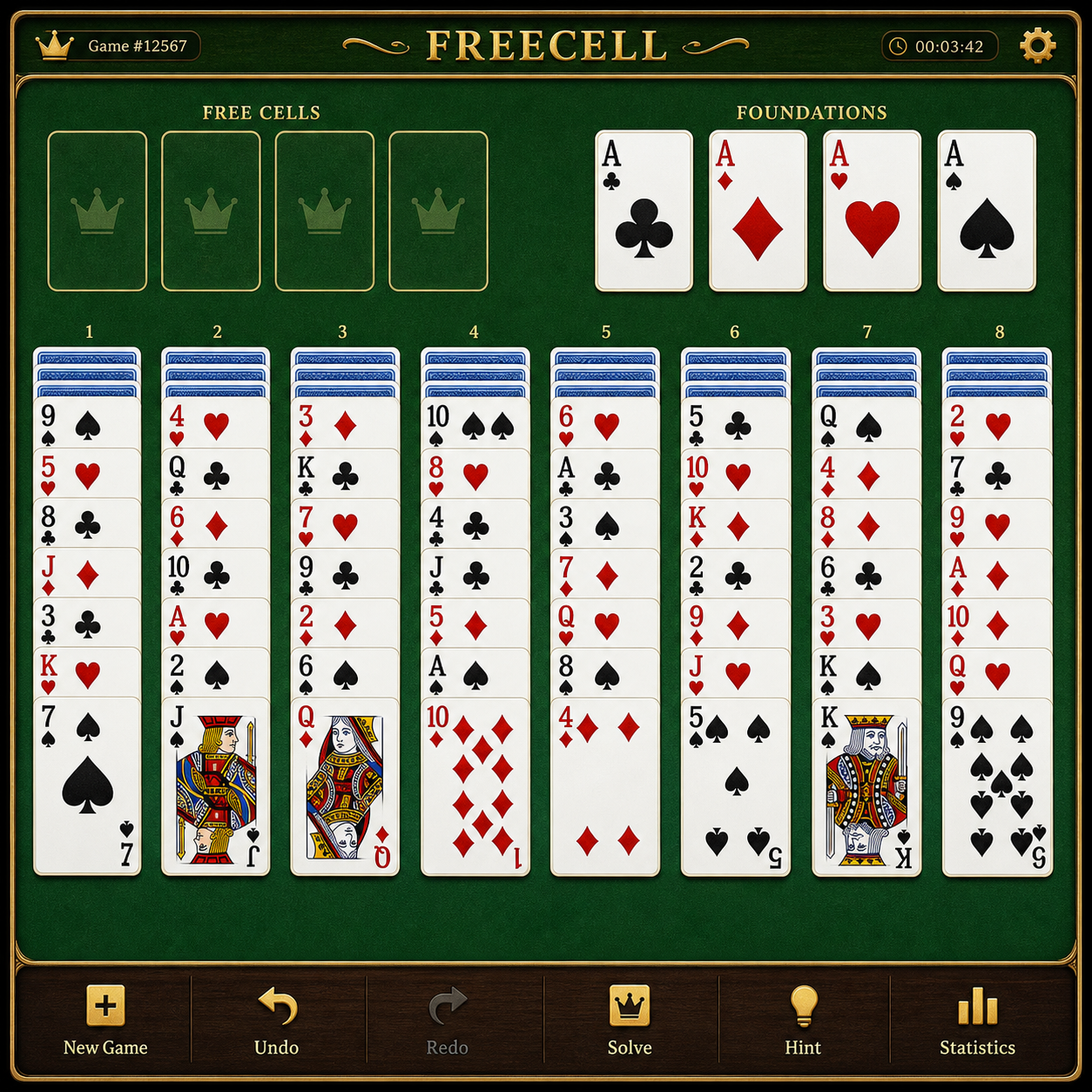
Solitaire evolved rapidly after its inception, giving rise to numerous card variants with distinct rule sets. By the 19th century, variations such as Klondike, FreeCell, and Spider had become well-established, each emphasizing different game mechanics like building sequences in either suit or alternating colors.
Klondike Solitaire, arguably the most famous variant, incorporates a tableau, stock pile, and foundation piles, requiring players to methodically uncover cards and create ordered runs. Patience variants worldwide adapted these core principles, blending chance and skill to create diverse challenges.
The proliferation of printed rulebooks and collections of solitaire games throughout the 1800s reflect a growing enthusiasm for these single-player card challenges. These versions often varied by region or publication but shared a common thread of mentally stimulating solitary play.
Solitaire’s Role in 19th and Early 20th Century Recreation
During the 19th and early 20th centuries, Solitaire gained popularity as a leisure activity in middle-class households and social clubs. It was embraced as a way to pass time quietly, often during cold winters or moments of solitude.
The accessibility of card decks made Solitaire a convenient option compared to more resource-heavy games or social pastimes. It also served educational goals, helping players develop patience, memory, and planning skills.
Solitaire appeared in magazines, newspapers, and puzzle books, expanding its cultural footprint beyond private homes into popular printed media. This growth coincided with the rise of solitary recreation as part of broader social trends emphasizing individual relaxation and self-improvement.
Despite its quiet nature, Solitaire contributed to shaping gaming preferences by establishing the concept of engaging single-player games long before digital technology revolutionized entertainment.
The Digital Revolution: Microsoft Solitaire and Beyond
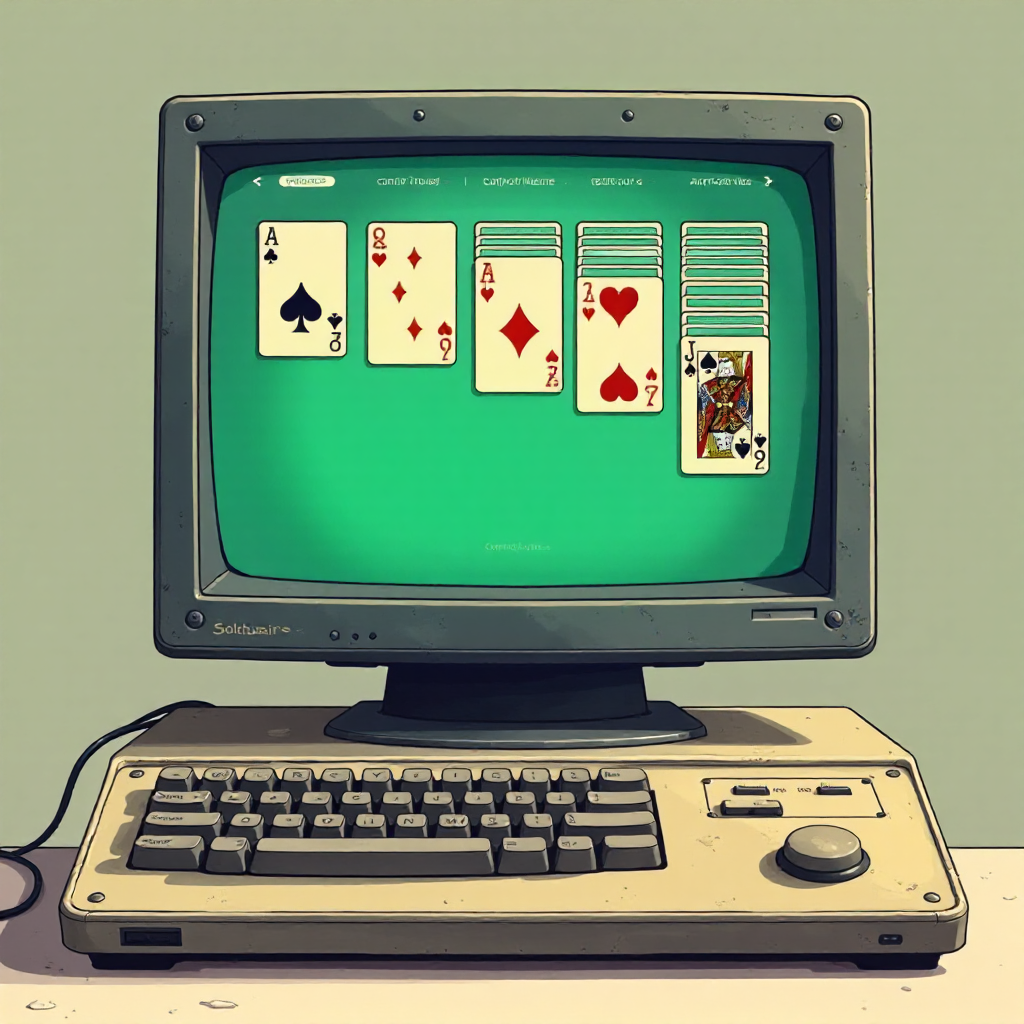
Solitaire’s transformation into a digital phenomenon began in the 1980s, culminating with the inclusion of Microsoft Solitaire in Windows 3.0 in 1990. This adaptation introduced the card game to millions of computer users, making it a household staple.
Microsoft’s version preserved the classic Klondike rules but added new features like drag-and-drop controls, hints, and a scoring system—simplifying gameplay while retaining challenge and appeal. The digital gaming debut of Solitaire demonstrated how traditional games could thrive in modern formats.
This adaptation pivotal in popularizing computers themselves, as Microsoft Solitaire provided an accessible introduction to mouse and graphical user interfaces for first-time PC users.
Since then, Solitaire has expanded onto mobile devices, online platforms, and dedicated apps, continuously evolving with new variants and interactive features to meet contemporary gaming habits.
Solitaire as a Cultural and Gaming Phenomenon
Solitaire's impact extends beyond simple entertainment; it is a cultural touchstone symbolizing solitary leisure and digital nostalgia. As a single-player game, it embodies self-directed challenge and introspection, contrasting multiplayer and competitive gaming trends.
The game’s widespread recognition stems from its accessibility—no special equipment, no complex setup—and its gradual difficulty curve that appeals to casual and serious gamers alike.
Moreover, Solitaire reflects shifts in gaming culture, from physical card decks to pixels on screens, illustrating how classic games adapt to new technological landscapes without losing their core identity.
Its popularity trends over decades demonstrate resilience, surviving waves of innovation and shifting tastes. Today, Solitaire remains a beloved pastime for millions worldwide, bridging generations through shared rules and timeless mechanics.
The Future of Solitaire in the Digital Age
The future of Solitaire lies in continuous innovation within digital platforms while honoring its heritage. Emerging technologies like augmented reality (AR) and artificial intelligence (AI) offer opportunities to reinvent Solitaire experiences with immersive visuals and adaptive difficulty.
Online communities and social features can integrate solitary play with light social interaction, expanding the single-player format.
However, maintaining the simplicity that defines Solitaire is crucial, as its appeal rests on unobtrusive accessibility and meditative gameplay.
Modern Solitaire games increasingly blend classic game mechanics with personalized challenges and accessibility options to suit diverse players, ensuring the game remains relevant in an ever-changing gaming landscape.
Frequently Asked Questions
What are the origins of the Solitaire card game?
Solitaire, or Patience, originated in 18th-century Europe, especially France and Germany, as a solitary card game enjoyed by aristocrats and intellectuals. It combined strategic sorting and sequencing with solitary entertainment.
How did Solitaire become popular on computers?
Solitaire’s popularity surged in the 1990s when Microsoft included Klondike Solitaire in Windows 3.0, making it one of the earliest and most successful computer games. It introduced many users to graphical interfaces while providing accessible, engaging gameplay.
What are some popular variations of Solitaire?
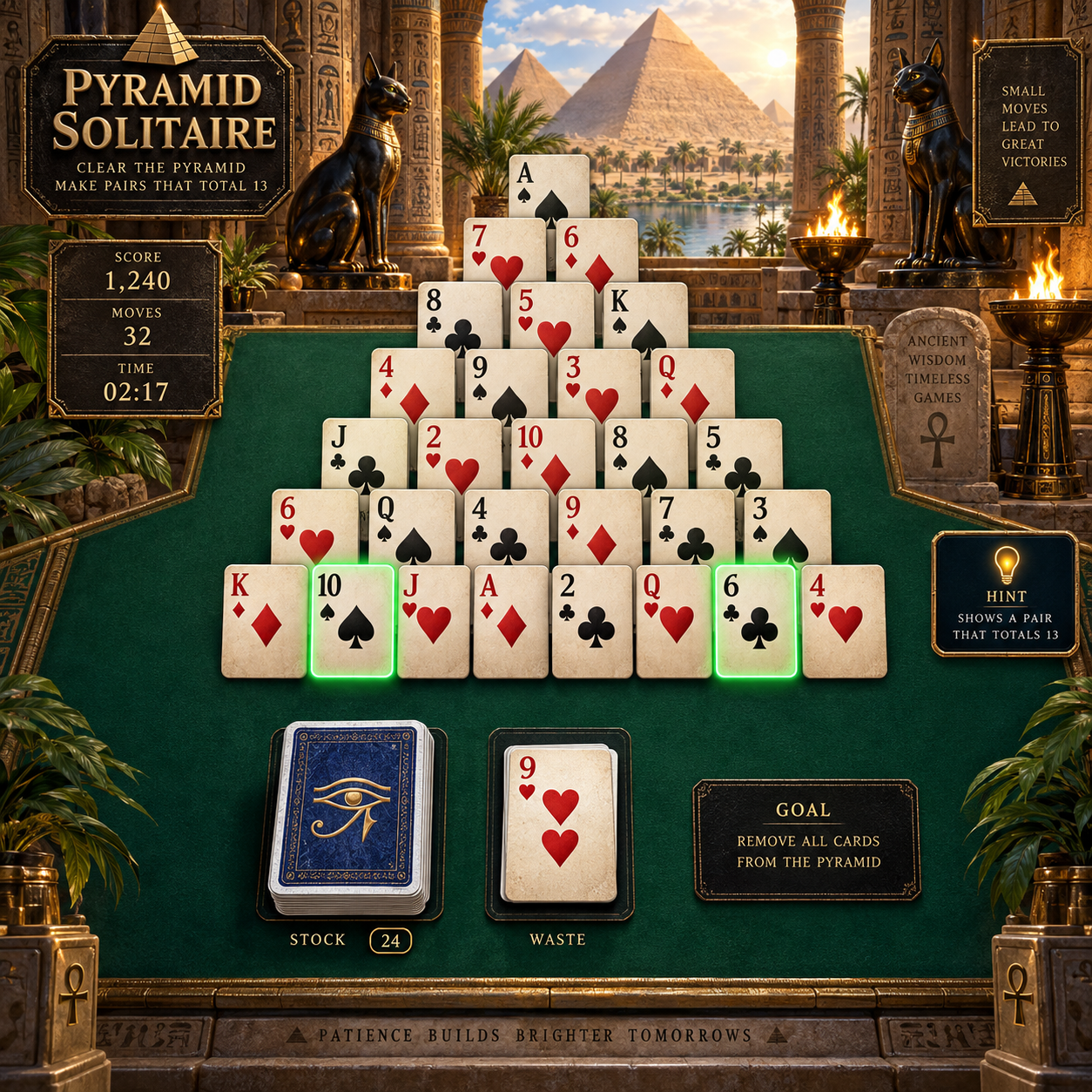
Popular variants include Klondike, FreeCell, Spider, Pyramid, and TriPeaks, each offering different rules on how cards are sorted and sequenced. These variations expand the game’s strategic depth and replay value.
Why is Solitaire considered a classic single-player game?
Because it combines simple mechanics with compelling mental challenges suited to solo play, Solitaire is a timeless example of a single-player card game that offers both relaxation and cognitive engagement.